Lending & Foreclosure
Verified Update
Pending
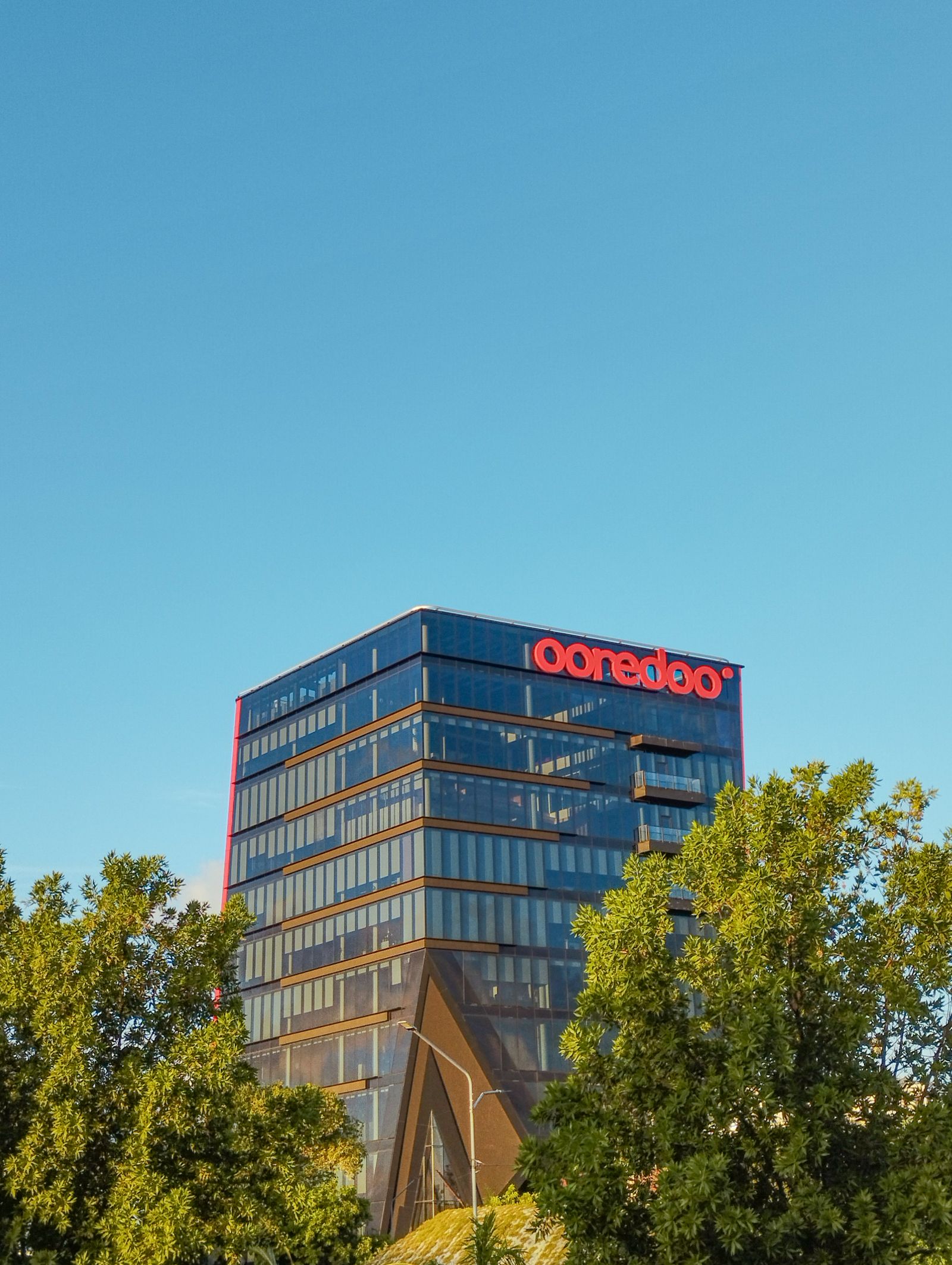
A Woods Capital and Pacific Elm partnership faces an October 6, 2026 foreclosure auction of 2100 Ross Avenue, a 33-story Dallas office tower now in receivership and roughly 53% occupied.
A partnership affiliated with Woods Capital and Pacific Elm Properties is facing a foreclosure auction, scheduled for October 6, 2026, on 2100 Ross Avenue, a 33-story, 840,000-square-foot downtown Dallas office tower, after defaulting on a Wells Fargo-originated loan that Fitch Ratings classified as a nonperforming matured balloon loan. A Dallas County court has already appointed Trigild IVL as receiver to manage the property, which was roughly 53% occupied after anchor tenant CBRE relocated to Uptown Dallas.
$98 million original loan; reported as a $79 million nonperforming matured balloon balance
Office
Why it matters: The case is a further data point in the office-sector debt overhang working through Dallas's CBD, where aging towers that have lost anchor tenants to newer Uptown product are increasingly unable to refinance maturing loans on their original terms, pushing lenders toward receivership and foreclosure rather than further extensions.
Sep 24, 2026
Dallas County, Texas
Commercial Lease Disputes
Verified Update
Filed
A commercial tenant's proposed class action claims CoStar was the hub of a rent price-fixing conspiracy, with CBRE, JLL, Cushman & Wakefield, Colliers and Newmark as spokes.
Commercial tenant FitFactariDC LLC filed a proposed class action alleging CoStar Group's lease-comparables platform served as the 'hub' of a Sherman Act price-fixing conspiracy, with CBRE, JLL, Cushman & Wakefield, Colliers, and Newmark as 'spokes' that traded non-public effective rents, concessions, and lease terms through the platform. The complaint claims each 1-point rise in CoStar's market share tracked a 0.3%-0.8% increase in rent per square foot across office, industrial, and retail leases from 2015-2025. An initial status hearing is set for August 19, 2026.
Putative nationwide class; 2015–2025 class period
Why it matters: Extends the RealPage-style hub-and-spoke theory from multifamily algorithmic pricing into commercial brokerage data-sharing, naming the industry's largest brokerages as defendants. If the theory survives a motion to dismiss, follow-on suits could sweep in landlords and owners whose brokers submitted lease data to CoStar, mirroring how RealPage litigation expanded to landlord-customers.
Jun 12, 2026
U.S. District Court, Northern District of Illinois
Construction Defect
Verified Update
Ruling Issued
The Fourteenth Court of Appeals revived timeshare-resort operator Holiday Inn Club Vacations' water-intrusion defect suit against CBRE, T&G and ACI, reversing a take-nothing summary judgment over when its claims accrued.
The Fourteenth Court of Appeals revived a timeshare-resort operator's construction-defect suit against its construction manager, general contractor, and construction administrator, reversing a take-nothing summary judgment that had gone against Holiday Inn Club Vacations Inc. on statute-of-limitations, standing, and economic-loss-rule grounds. The court held fact issues remained over when Holiday Inn's water-intrusion claims against CBRE, Inc., T&G Corporation f/k/a T&G Constructors, and ACI Architectural Concepts, Inc. actually accrued under the discovery rule, given evidence that isolated window-related water issues during the project did not necessarily put Holiday Inn on notice of the more systemic defects alleged later.
N/A — take-nothing summary judgment reversed and remanded for further proceedings
Why it matters: Reinforces that a construction manager or general contractor cannot win summary judgment on limitations simply by pointing to an owner's awareness of isolated, resolved defects during a project -- the discovery rule requires evidence the owner knew or should have known of the specific, systemic problem actually being sued over. Owners and asset managers pursuing water-intrusion or similarly latent defect claims against a project's construction team should document the evolution from isolated repair requests to a pattern indicating a design or workmanship failure, since that evidentiary gap is precisely what kept this claim alive past summary judgment.
Feb 4, 2025
Fourteenth Court of Appeals, Houston, Texas